
When OnlyKale co-founder Charlie Szoradi hit the slopes for a day of snowboarding, he didn't expect to come home with a broken wrist. What he also didn't expect was what his surgeon told him afterward — and what the following weeks of recovery would reveal about bone density, Vitamin K, and the quiet, cumulative power of kale.
This is a personal story. It's also a science story. And for the over 6 million Americans who break a bone each year, it may be one worth reading carefully.
The Break
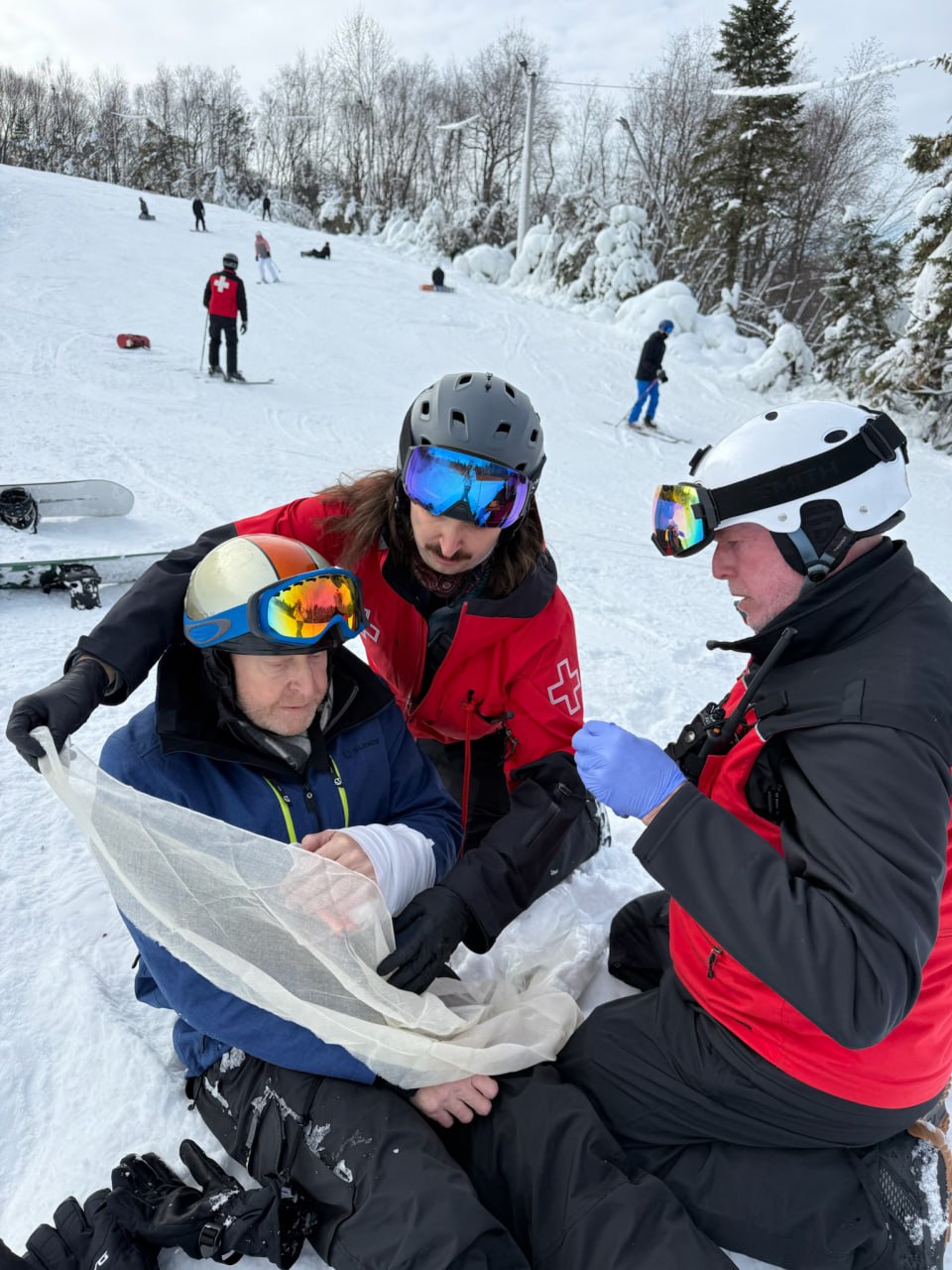
It happened the way these things do — fast, unexpected, a routine run that turned into anything but. Charlie went down, landed hard on an outstretched wrist, and knew immediately something was wrong. Ski patrol was on the scene quickly, and he was soon on his way to surgery.
What came next surprised him. His surgeon commented on something you don't often hear in a post-injury debrief: the quality of his bones. Despite a clean fracture that required surgical repair, the surgeon noted how large and structurally dense Charlie's bones were — the kind of foundation that gives surgeons confidence and patients a better prognosis from the start.
Charlie had been taking OnlyKale's freeze-dried kale powder daily for a year prior to the accident — mixing it into his morning protein shake alongside creatine. He kept taking it through every day of his recovery.
Surgery, Hardware, and the Road Back
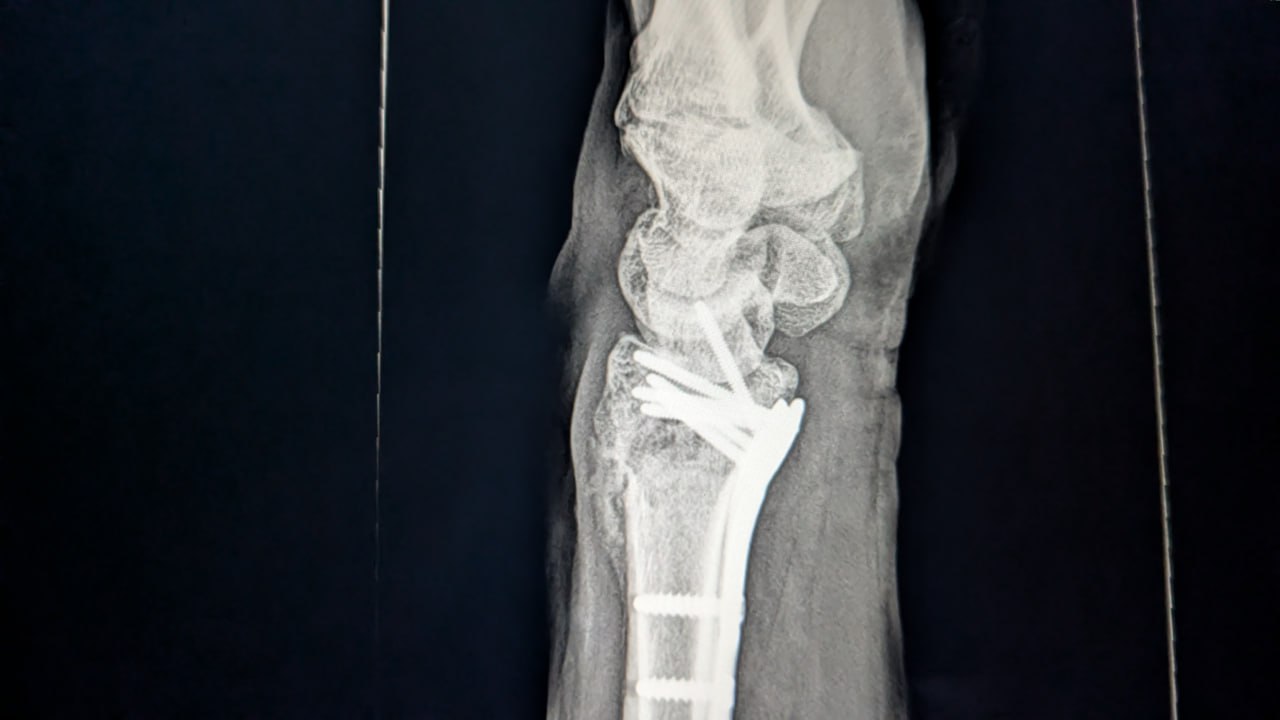
The fracture required surgical intervention — a procedure that left Charlie's wrist reinforced with a metal plate and screws. For most people, that kind of repair means a long, slow road back to full mobility.
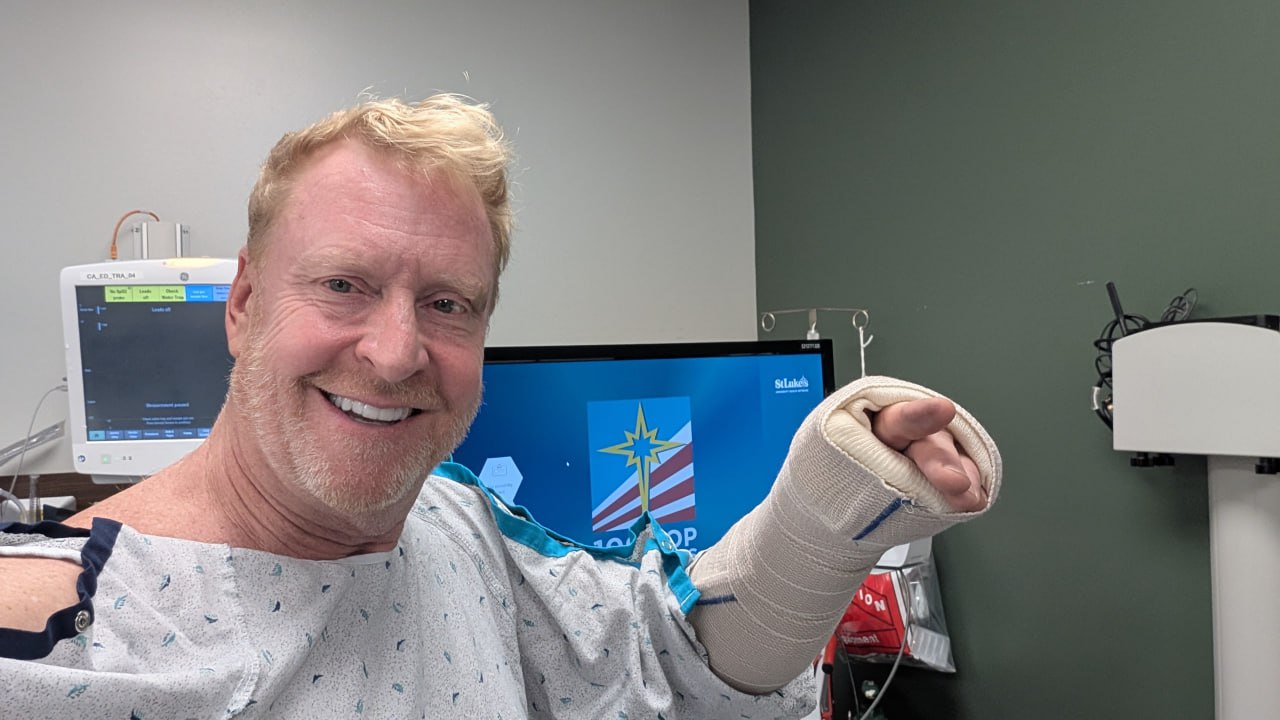
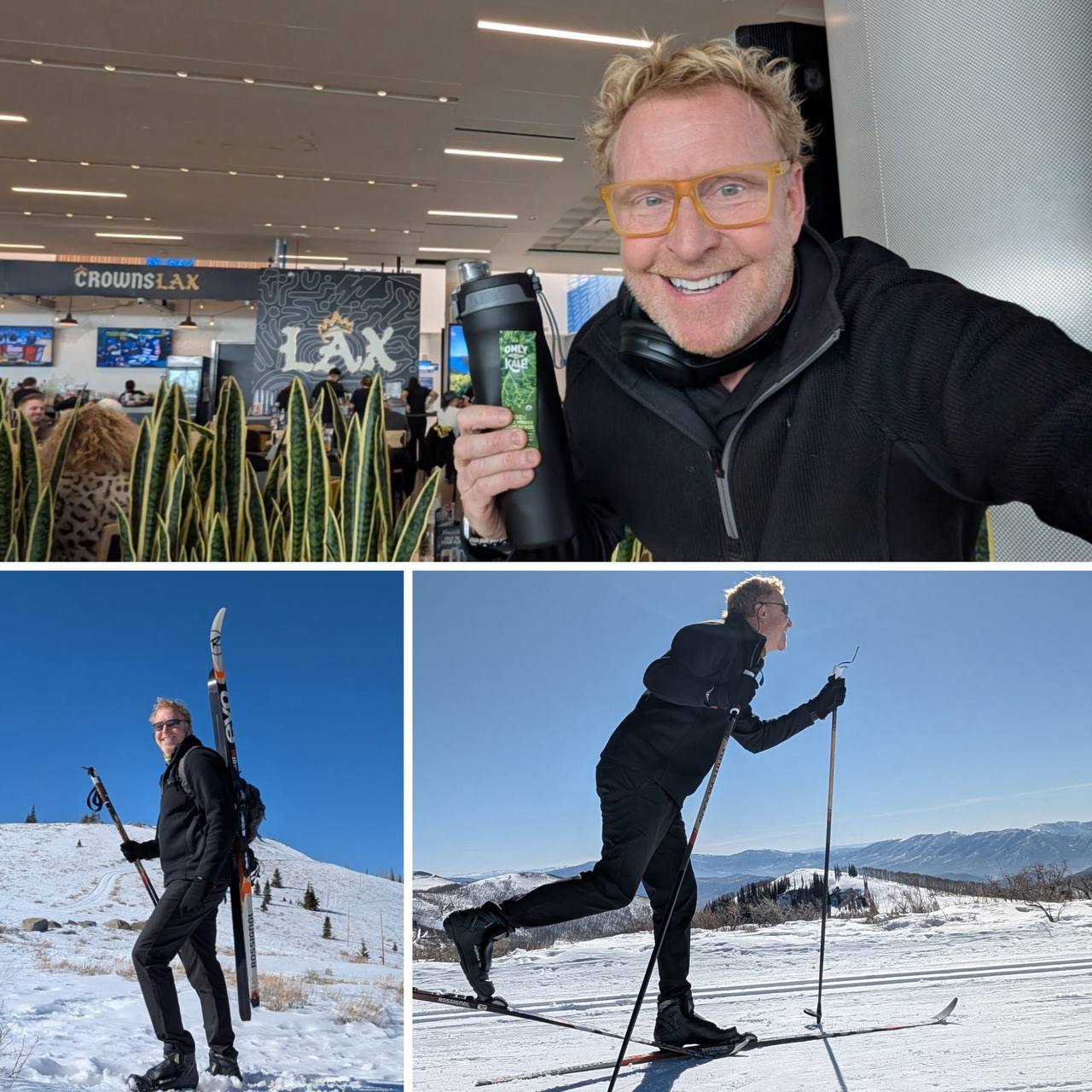
Charlie's recovery timeline told a different story. Just four weeks after surgery, he had regained a surprising level of motion and flexibility in his wrist — well ahead of what his physical therapist typically sees in comparable cases. By seven weeks post-surgery, he was back on the mountains: Nordic skiing, moving through his training regimen, pacing well ahead of average recovery expectations.
His physical therapist echoed what his surgeon had said: the baseline bone quality was exceptional, and the recovery was progressing faster than expected.
What Charlie Believes Made the Difference
Charlie is careful to note that he is not a typical patient. At 59, he's an active daily athlete — biking, hiking, surfing, paddle boarding, kayaking, and hitting the gym multiple times each week. He follows a clean whole-foods diet, reduces sugar to near-zero, and incorporates intermittent fasting, sauna, and cold plunges as part of his training for the Olympic Triathlon. He's a Certified Personal Trainer (CPT) through the National Academy of Sports Medicine (NASM).
"You cannot exercise your way out of a bad diet, and the OnlyKale has been a great superfood addition to my morning protein, creatine, and kale powder shake."
— Charlie Szoradi, Co-Founder, OnlyKale & NASM-Certified Personal Trainer
But Charlie also points to something more specific — the Vitamin K. OnlyKale contains 150% of the daily recommended value of Vitamin K in every single serving. And the science on what Vitamin K does for bones is, Charlie discovered, both compelling and underappreciated.
"I've been able to turn the unfortunate 'lemon' of my wrist break into lemonade, with all the research into bone health! Among its other benefits, Kale equals Vitamin K, and K equals bone health."
— Charlie Szoradi, Co-Founder, OnlyKale
The Science: What Vitamin K Actually Does for Bones
Most people associate Vitamin K with blood clotting — and that function is real and important. But the research on Vitamin K's role in bone metabolism has quietly accumulated into something much more significant.
The key mechanism involves a protein called osteocalcin, produced by bone-building cells called osteoblasts. Osteocalcin is essential for incorporating calcium into the bone matrix — the process that gives bones their hardness and density. But osteocalcin only becomes functional after it undergoes a process called gamma-carboxylation, which is entirely dependent on Vitamin K. Without adequate Vitamin K, osteocalcin remains in its inactive, undercarboxylated form — unable to properly bind calcium, and unable to do its job.
A landmark 2006 study published in the Archives of Internal Medicine analyzed data from the Nurses' Health Study — 72,327 women tracked over a decade — and found that women with higher dietary Vitamin K intake had significantly lower rates of hip fracture. Women in the lowest quartile of Vitamin K intake had a 30% higher risk of hip fracture compared to those in the highest quartile. The finding held even after adjusting for calcium intake, physical activity, and other confounding variables.
A 2007 meta-analysis in the Archives of Internal Medicine reviewed seven randomized controlled trials on Vitamin K and bone loss, and found that supplementation significantly reduced the rate of bone loss at the spine. Separately, a 2006 study in the Journal of Bone and Mineral Research found that Vitamin K2 supplementation reduced the incidence of vertebral fractures by 60% compared to placebo in postmenopausal women — a dramatic effect that outpaced many pharmaceutical interventions in the study.
Beyond osteocalcin, a second Vitamin K-dependent protein plays a cardiovascular-bone connection role: Matrix Gla-Protein (MGP). MGP helps prevent calcium from depositing in soft tissues like arterial walls, instead directing it toward bone where it belongs. Low Vitamin K status is associated with both arterial calcification and reduced bone mineral density — two problems that often travel together in aging populations.
Kale: Nature's Most Concentrated Vitamin K Source
Of all the dietary sources of Vitamin K1, kale stands alone. A 100g serving of raw kale delivers approximately 705 mcg of Vitamin K1 — that's nearly 600% of the daily recommended intake from a single food source. Freeze-dried kale preserves this remarkably well; studies on freeze-drying show retention rates of 85–97% for fat-soluble vitamins including K1.
Each stick of OnlyKale delivers 150% of the daily recommended Vitamin K value — a meaningful dose from a single clean ingredient. No fillers, no synthetic vitamins, no isolated extracts. Just kale, concentrated and preserved at peak nutritional density.
The whole-food form matters here too. Vitamin K1 from food sources is absorbed in the presence of dietary fat — and kale's naturally occurring lipid compounds improve its own absorption in ways that synthetic K1 supplements may not replicate. The full matrix of nutrients in whole-food kale (fiber, fat-soluble vitamins, antioxidants) works together in ways that isolated supplements can't fully replace.
The Bigger Picture: A Generation at Risk
Charlie's personal experience connects to something much larger — a public health reality that will play out over the next two decades as Gen X and Baby Boomers age into their most fracture-vulnerable years.
"I was born in 1966 so I'm right on the cusp as one of the oldest Gen. X but younger than the baby boomers. As Gen. X and the baby boomers age into retirement many want to stay active. Staying active often requires healthy bones and reduced osteoporosis. OnlyKale is a preventive move! About 6 million Americans break a bone each year, and I'm shocked that more doctors don't recommend what to eat as part of the recovery. Doctors are often too busy moving on to the next patient after prescribing pills and physical therapy for recovery. Mother nature has given us kale as a way to help recover, and I'm pleased to have been an accidental experiment in the path to recovery!"
— Charlie Szoradi, Co-Founder, OnlyKale
He's right on the numbers. According to the National Osteoporosis Foundation, approximately 54 million Americans have osteoporosis or low bone density. Around 6 million fractures occur in the U.S. annually, with wrist, hip, and vertebral fractures being the most common. Hip fractures in particular carry sobering statistics: up to 30% of older adults who suffer a hip fracture die within the following year from complications — making fracture prevention one of the highest-leverage longevity interventions available.
And yet the dietary component of bone health remains severely underemphasized in standard medical care. Patients leave surgical consultations with prescriptions and physical therapy referrals. Rarely do they leave with a conversation about what to eat — or what their body needs nutritionally to repair itself.
Prevention, Not Just Recovery
Charlie's story is most valuable not as a recovery story, but as a prevention story. He had been consistently consuming 150% of his daily Vitamin K through OnlyKale every morning for a full year before the accident. That consistency — not a short-term supplement push — is what builds the kind of bone density that impresses surgeons.
Bone density is built and maintained over years, not weeks. The research reflects this: the protective effects of consistent Vitamin K intake on bone mineral density accumulate with time, and the benefits appear most pronounced in those who maintain intake over the long term. The same is true of calcium, magnesium, Vitamin D, and the other nutrients that contribute to skeletal health — kale delivers meaningful amounts of all of them.
For the tens of millions of Gen X and Boomer Americans who want to stay active through their 60s, 70s, and beyond — hiking, skiing, surfing, training — the most important bone health investment isn't a prescription. It's a consistent daily habit that gives your skeleton what it needs to stay strong before it's ever tested.
Sometimes it takes a broken wrist on a mountainside to drive that point home.
Sources & Further Reading
- Archives of Internal Medicine (2006) — Dietary Vitamin K Intake and Risk of Hip Fracture (Nurses' Health Study)
- Archives of Internal Medicine (2007) — Vitamin K Supplementation and Bone Loss: Meta-Analysis of RCTs
- Journal of Bone and Mineral Research (2006) — Vitamin K2 and Vertebral Fracture Reduction in Postmenopausal Women
- Journal of Nutrition (2001) — Osteocalcin Carboxylation and Vitamin K: Mechanisms of Action
- Journal of Nutrition (2009) — Vitamin K and Matrix Gla-Protein: Arterial Calcification and Bone Health
- National Osteoporosis Foundation — Osteoporosis Facts & Statistics
- Journal of Food Science (2008) — Nutrient Retention in Freeze-Dried vs. Fresh Vegetables